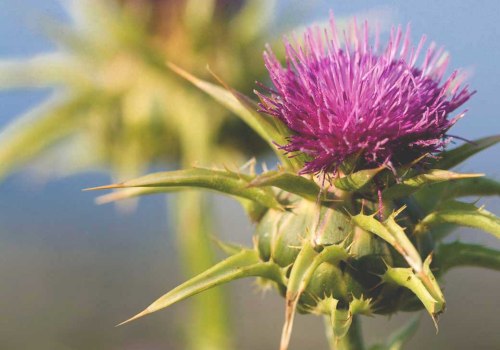
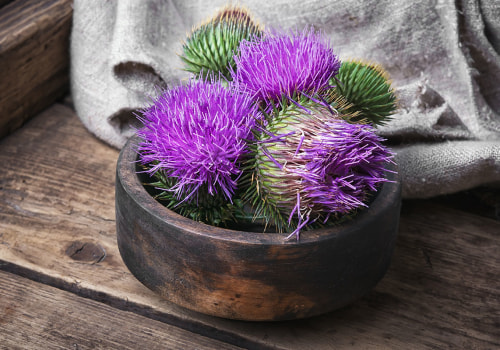
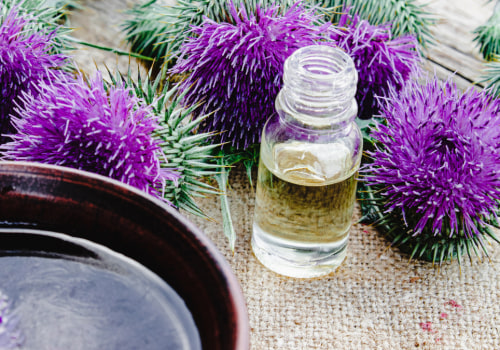
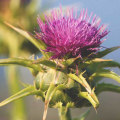
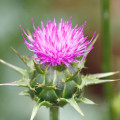
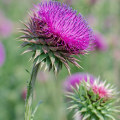
Milk thistle, scientifically known as Silybum marianum, is a flowering plant that has been revered for centuries due to its remarkable medicinal properties. Native to the Mediterranean region, this hardy plant has a striking appearance, characterized by its purple flowers and spiky leaves. Historically, milk thistle has been utilized in traditional herbal medicine for a variety of ailments, particularly those related to liver health. Its long-standing use can be traced back to ancient Greece and Rome, where it was employed as a remedy for liver disorders and as a detoxifying agent.The primary active component of milk thistle is silymarin , a complex of flavonoids that are believed to be responsible for its health benefits.
Silymarin exhibits potent antioxidant and anti-inflammatory properties, which contribute to its protective effects on the liver. This has made milk thistle a popular choice among individuals seeking natural ways to support liver function, especially those who may be exposed to toxins from alcohol consumption or environmental pollutants.In addition to its liver-supporting capabilities, the benefits of milk thistle extend beyond hepatic health. Research suggests that it may also play a role in enhancing brain function, promoting skin health, and even aiding in lactation for breastfeeding mothers. As interest in natural supplements continues to grow, understanding the full spectrum of milk thistle's benefits and potential risks becomes increasingly important for consumers looking to incorporate this herbal remedy into their daily routines.
The Active Compounds in Milk Thistle
Milk thistle is renowned for its health benefits, primarily attributed to its active compounds, with silymarin being the most significant.Silymarin is a complex of flavonolignans, which are a group of compounds that exhibit potent antioxidant properties. This unique composition is what makes milk thistle a valuable supplement for various health concerns.
Silymarin
consists of three main components: silibinin, silidianin, and silicristin. Each of these compounds contributes to the overall therapeutic effects of milk thistle:
- Silibinin : This is the most studied component of silymarin and is known for its ability to protect liver cells from damage caused by toxins and free radicals. Silibinin has been shown to enhance liver function by promoting the regeneration of liver cells and reducing inflammation.
- Silidianin : This compound also plays a role in liver protection but is less studied than silibinin.
It may contribute to the anti-inflammatory effects of milk thistle, helping to alleviate conditions such as hepatitis.
- Silicristin : While less prominent, silicristin may also support liver health and has been suggested to have antioxidant properties that can help combat oxidative stress.
- Antioxidant Activity : Silymarin scavenges free radicals, reducing oxidative stress in the body. This is particularly important for liver health, as the liver is often exposed to high levels of toxins.
- Anti-Inflammatory Effects : By inhibiting inflammatory pathways, silymarin can help reduce inflammation in the liver and other tissues, which is beneficial for individuals with chronic liver diseases.
- Cell Regeneration : Silymarin promotes the synthesis of proteins necessary for cell regeneration, aiding in the repair of damaged liver cells and enhancing overall liver function.
Key Benefits of Taking Milk Thistle Daily
Daily consumption of milk thistle can offer a range of health benefits, making it a popular choice among those seeking natural supplements.Below, we explore some of the most significant advantages associated with this remarkable herb.
Liver Health
One of the most well-documented milk thistle benefits is its ability to support liver health. The active compound in milk thistle, known as silymarin, has been shown to protect liver cells from damage caused by toxins, alcohol, and certain medications. Research indicates that silymarin can enhance liver function by promoting the regeneration of damaged liver cells and reducing inflammation. This makes milk thistle particularly beneficial for individuals suffering from liver conditions such as hepatitis or fatty liver disease.Brain Function
In addition to its liver-protective properties, milk thistle may also contribute to improved brain function.Studies suggest that the antioxidant effects of silymarin can help combat oxidative stress in the brain, potentially reducing the risk of neurodegenerative diseases like Alzheimer’s and Parkinson’s. By protecting brain cells from damage, milk thistle may enhance cognitive function and memory, making it a valuable supplement for those looking to maintain mental clarity as they age.
Skin Health
Milk thistle is also gaining recognition for its positive effects on skin health. The anti-inflammatory properties of silymarin can help alleviate skin conditions such as acne and eczema. By reducing inflammation and promoting healing, milk thistle may lead to clearer, healthier skin.Additionally, its antioxidant properties can help protect the skin from environmental damage, contributing to a more youthful appearance.
Breast Milk Production
For nursing mothers, milk thistle is often touted as a natural way to enhance breast milk production. Some studies suggest that silymarin may stimulate the production of prolactin, a hormone essential for milk synthesis. While more research is needed to fully understand this effect, many mothers have reported increased milk supply after incorporating milk thistle into their daily routine.In summary, taking milk thistle daily can provide numerous health benefits ranging from enhanced liver function and improved brain health to better skin condition and potential increases in breast milk production. As with any supplement, it is advisable to consult with a healthcare provider before starting a new regimen to ensure it aligns with individual health needs.Milk Thistle and Liver Health: A Closer Look
Milk thistle, scientifically known as Silybum marianum, has garnered significant attention for its remarkable ability to support liver health.This plant contains a powerful active compound called silymarin , which is primarily responsible for its liver-protective properties. Understanding how milk thistle contributes to liver health involves exploring its roles in detoxification, protection against liver diseases, and overall liver function enhancement.One of the primary functions of the liver is detoxification. It filters toxins from the bloodstream, metabolizes drugs, and processes nutrients. Milk thistle aids this process by promoting the regeneration of liver cells and enhancing their ability to detoxify harmful substances.
Research indicates that silymarin can stimulate protein synthesis in liver cells, which is crucial for repairing damage caused by toxins such as alcohol and certain medications.
Protection Against Liver Diseases
Milk thistle has shown promise in protecting against various liver diseases, including hepatitis and cirrhosis. Studies have demonstrated that silymarin possesses anti-inflammatory and antioxidant properties, which help reduce inflammation in the liver and combat oxidative stress. By neutralizing free radicals, milk thistle can mitigate cellular damage and promote a healthier liver environment.Moreover, individuals with chronic liver conditions may benefit from milk thistle supplementation. Clinical trials have suggested that it can improve liver function tests and enhance overall well-being in patients suffering from liver diseases.For instance, those with hepatitis C have reported improved symptoms and better quality of life when incorporating milk thistle into their treatment regimen.
Liver Detoxification Support
The detoxification process is vital for maintaining optimal health, and milk thistle plays a crucial role in this regard. By supporting the liver's natural detox pathways, it helps eliminate toxins more efficiently. This is particularly beneficial for individuals exposed to environmental pollutants or those who consume alcohol regularly.Incorporating milk thistle into your daily routine may not only enhance your liver's detoxification capabilities but also provide a protective shield against potential damage from harmful substances. However, it is essential to consult with a healthcare provider before starting any new supplement, especially if you have pre-existing liver conditions or are taking medications that affect liver function.In summary, milk thistle stands out as a potent ally for liver health.Its ability to support detoxification processes, protect against liver diseases, and promote cell regeneration makes it a valuable addition to any wellness regimen focused on maintaining optimal liver function.
Potential Risks and Side Effects of Daily Milk Thistle Use
While milk thistle is widely regarded as a beneficial supplement, particularly for liver health, it is essential to consider the potential risks and side effects associated with its daily use. Understanding these risks can help individuals make informed decisions about incorporating this herb into their health regimen.Common Side Effects
Most people tolerate milk thistle well, but some may experience mild side effects, including:- Gastrointestinal Issues: Some users report digestive disturbances such as diarrhea, nausea, or bloating. These symptoms are generally mild and may subside with continued use.
- Allergic Reactions: Individuals allergic to plants in the Asteraceae family (such as ragweed, marigolds, or daisies) may experience allergic reactions to milk thistle. Symptoms can include itching, rash, or difficulty breathing.
- Headaches: A few users have reported headaches after taking milk thistle, although the exact cause is not well understood.
Interactions with Medications
Milk thistle can interact with various medications, potentially altering their effectiveness.It is crucial to consult a healthcare provider if you are taking:
- Anticoagulants: Milk thistle may affect blood clotting and could enhance the effects of blood-thinning medications like warfarin.
- Diabetes Medications: Since milk thistle can lower blood sugar levels, it may enhance the effects of diabetes medications, leading to hypoglycemia.
- Liver Metabolized Drugs: Milk thistle may influence how the liver metabolizes certain drugs, potentially increasing or decreasing their effectiveness. This includes medications for cholesterol and some antidepressants.
Who Should Avoid Milk Thistle?
Certain individuals should exercise caution or avoid milk thistle altogether:- Pregnant or Nursing Women: There is insufficient research on the safety of milk thistle during pregnancy and breastfeeding. Therefore, it is advisable to avoid it unless recommended by a healthcare provider.
- Individuals with Hormone-Sensitive Conditions: Those with a history of hormone-related cancers (such as breast or ovarian cancer) should avoid milk thistle due to its potential estrogenic effects.
- People with Diabetes: As mentioned earlier, those with diabetes should be cautious due to its blood sugar-lowering effects.
Who Should Consider Taking Milk Thistle?
Milk thistle is a natural supplement that has garnered attention for its potential health benefits, particularly in supporting liver function.However, not everyone may need to incorporate this herb into their daily routine. Understanding who can benefit from milk thistle and who should approach it with caution is essential for safe use.
Who May Benefit from Milk Thistle?
Individuals who may find milk thistle particularly beneficial include:- Those with Liver Conditions: People diagnosed with liver diseases such as hepatitis, cirrhosis, or fatty liver disease may consider taking milk thistle. Research suggests that the active compound silymarin can help improve liver function and reduce inflammation.
- Individuals Exposed to Toxins: If you frequently consume alcohol, take medications that affect the liver, or are exposed to environmental toxins, milk thistle may help protect your liver from damage.
- People Seeking Antioxidant Support: Milk thistle's antioxidant properties can be beneficial for those looking to combat oxidative stress in the body, which is linked to various chronic diseases.
- Breastfeeding Mothers: Some women may consider milk thistle to potentially enhance breast milk production, although more research is needed in this area.
Who Should Exercise Caution?
While many can benefit from milk thistle, certain individuals should exercise caution or avoid it altogether:- Diabetics: Milk thistle has been shown to lower blood sugar levels. For those with diabetes, this could lead to dangerously low blood sugar if not monitored closely.
- Individuals with Hormone-Related Conditions: Those with a history of hormone-sensitive cancers (such as breast or ovarian cancer) should consult a healthcare provider before using milk thistle, as it may influence estrogen levels.
- Pregnant Women: The safety of milk thistle during pregnancy has not been well studied.
Therefore, pregnant women should avoid it unless advised otherwise by a healthcare professional.
How to Incorporate Milk Thistle into Your Daily Routine
Incorporating milk thistle into your daily routine can be a straightforward process, but it’s essential to understand the various forms of supplementation, recommended dosages, and the best times to take it for optimal benefits.Forms of Milk Thistle
Milk thistle is available in several forms, each with its own advantages:- Capsules and Tablets: These are the most common forms and are convenient for daily use. They typically contain standardized extracts of silymarin, the active compound in milk thistle.
- Liquid Extracts: Tinctures or liquid extracts can be taken directly or mixed with water or juice.
This form may be absorbed more quickly by the body.
- Powder: Milk thistle powder can be added to smoothies, yogurt, or other foods. This form allows for flexible dosing but may require careful measurement.
- Tea: Milk thistle tea is another option, though it may provide a lower concentration of silymarin compared to extracts.
Recommended Dosage
The appropriate dosage of milk thistle can vary based on individual health needs and the specific product used. However, general guidelines suggest:- Standardized Extracts: A common dosage is between 140 mg to 600 mg of silymarin per day, divided into two or three doses.
- Liquid Extracts: If using a tincture, follow the manufacturer’s instructions, which typically recommend 1-2 droppers full taken 1-3 times daily.
- Consultation: Always consult with a healthcare provider before starting any new supplement regimen to determine the best dosage for your specific health conditions.
Best Time to Take Milk Thistle
The timing of when you take milk thistle can influence its effectiveness. Here are some tips:- With Meals: Taking milk thistle with meals may enhance absorption and reduce potential gastrointestinal discomfort.
- Consistent Timing: Try to take it at the same time each day to establish a routine and ensure consistent levels in your system.
- Avoid Late Doses: If you find that milk thistle affects your energy levels or sleep patterns, consider taking it earlier in the day.
Always remember that individual responses may vary, so monitoring how your body reacts is crucial for long-term success.
Frequently Asked Questions About Milk Thistle
As interest in milk thistle continues to grow, many individuals have questions about its safety, efficacy, and potential side effects. Below are some of the most frequently asked questions regarding this popular herbal supplement.1.What is milk thistle?
Milk thistle, scientifically known as Silybum marianum, is a flowering plant belonging to the daisy family. It has been used for centuries in traditional medicine, primarily for its liver-protective properties. The active compound in milk thistle, silymarin, is believed to have antioxidant and anti-inflammatory effects that can support liver health.2.Is milk thistle safe to take daily?
For most people, taking milk thistle on a daily basis is considered safe.However, it is essential to consult with a healthcare provider before starting any new supplement regimen, especially if you have pre-existing health conditions or are taking medications. Some individuals may experience mild side effects such as gastrointestinal upset or allergic reactions.
3.Can milk thistle interact with medications?
Yes, milk thistle can interact with certain medications. It may affect how the liver metabolizes drugs, potentially altering their effectiveness. Medications that are processed by the liver, such as statins or anticoagulants, may be impacted.Always discuss with your doctor if you are considering adding milk thistle to your routine.
4.What are the potential side effects of milk thistle?
While many people tolerate milk thistle well, some may experience side effects including:- Nausea
- Diarrhea
- Stomach cramps
- Allergic reactions (in rare cases)
5.Who should avoid taking milk thistle?
Certain individuals should exercise caution or avoid milk thistle altogether:- Those with hormone-sensitive conditions (e.g., breast cancer)
- Individuals with diabetes (due to its potential to lower blood sugar levels)
- Pregnant or breastfeeding women (due to limited research on safety)
6.How long does it take to see results from milk thistle?
The time it takes to notice benefits from milk thistle can vary based on individual health conditions and the reason for use. Some may experience improvements in liver function within a few weeks, while others may require longer periods of consistent use. Regular monitoring and consultation with a healthcare provider can help assess its effectiveness.Conclusion: Weighing the Benefits Against the Risks of Milk Thistle
In summary, the decision to incorporate milk thistle into your daily health regimen should be made with careful consideration of both its potential benefits and risks. As we have explored, milk thistle is renowned for its ability to support liver health, enhance brain function, and even promote breast milk production.The active compound, silymarin, is particularly noted for its antioxidant and anti-inflammatory properties, which can help protect the liver from damage caused by toxins and support overall liver function.However, it is equally important to acknowledge the potential risks associated with daily consumption of milk thistle. Individuals with diabetes should exercise caution due to its blood sugar-lowering effects, which could lead to complications if not monitored properly. Additionally, those with a history of hormone-related cancers may want to avoid milk thistle, as it could potentially influence estrogen levels in the body.Before adding milk thistle to your supplement routine, consider the following:
- Consult a Healthcare Provider: Always discuss with a healthcare professional before starting any new supplement, especially if you have pre-existing medical conditions or are taking other medications.
- Monitor Your Body's Response: Pay attention to how your body reacts after introducing milk thistle. If you experience any adverse effects, discontinue use and consult your doctor.
- Research Quality Products: Not all supplements are created equal.
Look for high-quality milk thistle products that contain standardized silymarin levels to ensure efficacy.