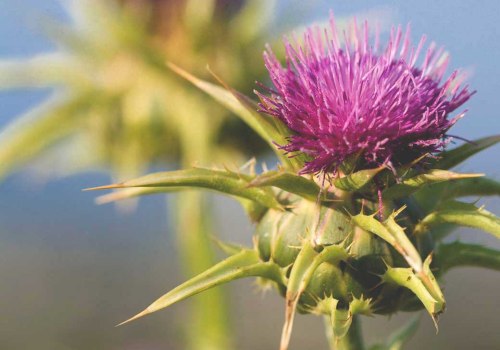
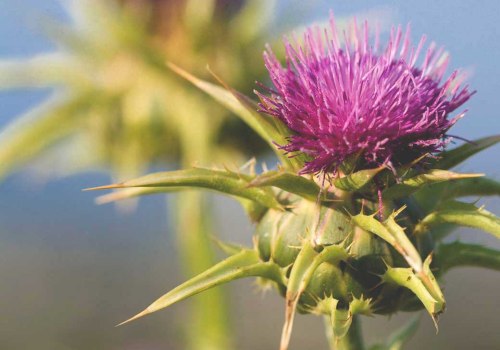
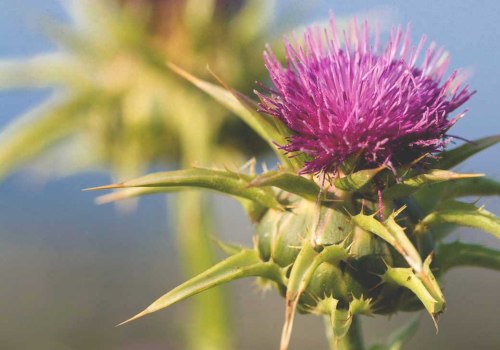
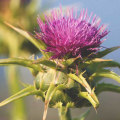
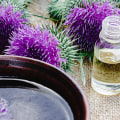
Milk thistle, scientifically known as Milk thistle, scientifically known as Silybum marianum, is a flowering herb that has been revered for centuries for its potential health benefits, particularly concerning liver and kidney health. This plant, native to the Mediterranean region, has a rich history of use in traditional medicine, where it was often employed to treat various ailments, including liver disorders and gallbladder issues. The seeds of milk thistle contain a powerful active compound called silymarin , which is believed to be responsible for many of its therapeutic properties.Silymarin is a complex of flavonolignans that includes silybin, silidianin, and silicristin. These compounds are thought to possess antioxidant, anti-inflammatory, and hepatoprotective effects, making milk thistle a popular choice among those seeking natural remedies for liver-related conditions.
The herb's ability to support liver function has garnered attention in both clinical and alternative medicine circles, leading to an increase in its use as a dietary supplement.In recent years, research has begun to explore the full spectrum of milk thistle benefits, particularly its role in detoxification processes and its potential protective effects against liver damage caused by toxins, alcohol consumption, and certain medications. While many studies have shown promising results regarding its efficacy in improving liver health, it is essential to approach these findings with caution. Understanding the complexities of how milk thistle interacts with the body can help individuals make informed decisions about its use.As we delve deeper into the benefits and risks associated with milk thistle, it becomes clear that this ancient herb holds significant potential for enhancing overall health. However, like any supplement, it is crucial to consider both its advantages and possible side effects before incorporating it into your wellness routine.
The Health Benefits of Milk Thistle
Milk thistle, scientifically known as Silybum marianum, has garnered attention for its potential health benefits, particularly concerning liver and kidney health.The active compound in milk thistle, silymarin , is a complex of flavonolignans that is believed to provide protective effects on these vital organs.One of the most well-documented benefits of milk thistle is its role in promoting liver health. Numerous studies have indicated that silymarin may help in the regeneration of liver cells and protect against damage caused by toxins, alcohol, and certain medications. For instance, a study published in the Journal of Clinical Gastroenterology found that patients with chronic liver disease who supplemented with milk thistle experienced improved liver function tests compared to those who did not.Additionally, milk thistle has been shown to have antioxidant properties, which can help combat oxidative stress in the liver. This is particularly important as oxidative stress is a significant contributor to liver diseases such as fatty liver disease and cirrhosis.
By reducing oxidative damage, milk thistle may aid in maintaining overall liver health.Beyond its effects on the liver, milk thistle may also offer benefits for kidney health. Some research suggests that silymarin can protect kidney cells from damage due to nephrotoxicity, which can occur from certain medications or environmental toxins. A study published in the International Journal of Nephrology indicated that silymarin supplementation helped reduce markers of kidney injury in patients undergoing treatment with nephrotoxic drugs.Moreover, anecdotal evidence supports the use of milk thistle for improving kidney function and overall urinary health. Many individuals report enhanced well-being and reduced symptoms related to kidney issues after incorporating milk thistle into their wellness routines.While the potential benefits of milk thistle are promising, it is essential to approach its use with caution.
Consulting with a healthcare professional before starting any new supplement regimen is advisable, especially for individuals with pre-existing health conditions or those taking medications that may interact with milk thistle.In summary, the health benefits of milk thistle are multifaceted, particularly regarding its protective effects on the liver and kidneys. As research continues to evolve, it may solidify milk thistle's role as a valuable supplement for supporting organ health.
Milk Thistle and Liver Health
Milk thistle, scientifically known as Silybum marianum, has garnered attention for its potential benefits in promoting liver health. One of the primary components of milk thistle is silymarin , a complex of flavonolignans that is believed to play a crucial role in liver detoxification and protection.The liver is a vital organ responsible for filtering toxins from the blood, metabolizing drugs, and producing essential proteins. Given its extensive workload, the liver can become overwhelmed, particularly in individuals with unhealthy lifestyles or pre-existing conditions.This is where the milk thistle liver benefits come into play.Research suggests that milk thistle may enhance the liver's ability to detoxify harmful substances. Silymarin is thought to promote the regeneration of liver cells and protect them from damage caused by toxins, alcohol, and certain medications. A study published in the Journal of Medicinal Food indicated that patients with fatty liver disease who supplemented with milk thistle experienced improvements in liver function markers after eight weeks of treatment.Fatty liver disease, characterized by an accumulation of fat in liver cells, can lead to inflammation and scarring if left untreated. The antioxidant properties of silymarin may help reduce oxidative stress in the liver, thereby mitigating inflammation and promoting healthier liver function.
Additionally, some studies have shown that milk thistle may assist in lowering elevated liver enzymes, which are often indicative of liver damage.While the evidence supporting the use of milk thistle for liver health is promising, it is essential to approach it as a complementary therapy rather than a standalone treatment. Individuals considering milk thistle should consult with healthcare professionals to ensure it aligns with their overall health strategy and does not interfere with any existing medications.In summary, milk thistle offers potential liver detoxification benefits and may be particularly useful for those dealing with fatty liver disease. However, further research is needed to fully understand its efficacy and optimal usage in clinical settings.
Milk Thistle and Kidney Health
Milk thistle, known scientifically as Silybum marianum, has garnered attention not only for its liver-protective properties but also for its potential benefits in promoting kidney health. The active compound in milk thistle, silymarin , is believed to possess nephroprotective effects , which may help safeguard the kidneys from damage caused by various factors, including toxins and oxidative stress.Research into the kidney benefits of milk thistle is still emerging, but several studies suggest that it may play a role in preventing or mitigating kidney disease.For instance, a study published in the journal Phytotherapy Research indicated that silymarin could reduce markers of kidney injury in diabetic rats. The findings showed a decrease in serum creatinine and blood urea nitrogen levels, which are indicators of kidney function.Another area of interest is the potential of milk thistle to combat nephrotoxicity, particularly from pharmaceutical agents such as nonsteroidal anti-inflammatory drugs (NSAIDs) and certain antibiotics. A study highlighted in the Journal of Ethnopharmacology found that silymarin administration significantly reduced renal damage induced by these medications, suggesting that it may help protect against drug-induced kidney injury.Moreover, milk thistle's antioxidant properties are thought to play a crucial role in its protective effects. By scavenging free radicals and reducing oxidative stress, silymarin may help maintain kidney health and function.
This is particularly important as oxidative stress is a contributing factor in the progression of chronic kidney disease (CKD).While the preliminary findings are promising, it is essential to approach the use of milk thistle with caution. As with any supplement, individuals should consult healthcare professionals before incorporating it into their regimen, especially those with existing kidney conditions or those taking medications that may interact with milk thistle.In summary, while more extensive human studies are needed to fully understand the extent of milk thistle's kidney benefits , current research suggests that it may offer protective effects against kidney damage and support overall renal health. As interest in natural remedies continues to grow, milk thistle remains a compelling option for those seeking to enhance their kidney health.
Potential Risks and Side Effects of Milk Thistle
While milk thistle is often praised for its potential health benefits, it is essential to consider the risks and side effects associated with its use. Understanding these factors can help individuals make informed decisions about incorporating this herbal supplement into their health regimen.One of the primary concerns regarding milk thistle is its potential to interact with various medications.The active compound, silymarin, may affect the metabolism of certain drugs by influencing liver enzymes, particularly cytochrome P450 enzymes. This interaction can lead to altered drug levels in the body, potentially diminishing the effectiveness of medications or increasing the risk of side effects. For instance, individuals taking anticoagulants, such as warfarin, should exercise caution, as milk thistle may enhance the effects of these drugs, leading to an increased risk of bleeding.Moreover, those on medications for diabetes should be aware that milk thistle might lower blood sugar levels. While this could be beneficial for some, it poses a risk for individuals who are already managing their blood glucose levels with medication.
Regular monitoring and consultation with a healthcare provider are advisable in such cases.In addition to drug interactions, there are specific contraindications for using milk thistle. Pregnant and breastfeeding women are generally advised to avoid this supplement due to insufficient research on its safety during these periods. Furthermore, individuals with allergies to plants in the Asteraceae family, which includes ragweed and daisies, may experience allergic reactions when consuming milk thistle.Common side effects reported by users include gastrointestinal disturbances such as diarrhea, nausea, and bloating. These symptoms are typically mild but can be bothersome for some individuals.
In rare cases, more severe allergic reactions may occur, characterized by rash, itching, or difficulty breathing. If any of these symptoms arise after taking milk thistle, it is crucial to seek medical attention promptly.In summary, while milk thistle offers potential health benefits for liver and kidney health, it is not without its risks. Individuals considering this supplement should consult with a healthcare professional to evaluate their specific circumstances and ensure safe usage.
How to Use Milk Thistle Safely
When considering the use of milk thistle for its potential health benefits, it is essential to approach supplementation with caution and informed decision-making. Here are some guidelines on how to use milk thistle safely:Recommended Dosages
The appropriate dosage of milk thistle can vary based on the form of the supplement and the specific health goals.Generally, the following dosages are commonly recommended:
- Milk Thistle Extract: For standardized extracts containing 70-80% silymarin, a typical dosage ranges from 140 mg to 600 mg per day, divided into two or three doses.
- Whole Seed Powder: If using whole seeds, a common dosage is about 1-2 grams per day.
- Tinctures: For tinctures, follow the manufacturer's instructions, as concentrations can vary significantly.
Forms of Supplementation
Milk thistle is available in various forms, including:- Capsules and Tablets: These are convenient and provide a precise dosage.
- Liquid Extracts: Tinctures or liquid extracts can be taken directly or added to beverages.
- Powdered Form: This can be mixed into smoothies or other foods for those who prefer a more natural approach.
Safety Precautions
While milk thistle is generally considered safe for most people, there are several precautions to keep in mind:- Consult a Healthcare Professional: Before starting any new supplement, especially if you have existing health conditions or are taking medications, consult with a healthcare provider to avoid potential interactions.
- Avoid During Pregnancy and Breastfeeding: The safety of milk thistle during pregnancy and lactation has not been well studied; therefore, it is best to avoid it unless advised by a healthcare professional.
- Monitor for Allergic Reactions: Some individuals may experience allergic reactions, particularly those allergic to plants in the Asteraceae family. Symptoms may include itching, rash, or gastrointestinal upset.
Frequently Asked Questions about Milk Thistle
As interest in milk thistle continues to grow, many individuals have questions about its safety, efficacy, and overall benefits. Below are some of the most frequently asked questions regarding this herbal supplement.What is milk thistle used for?
Milk thistle is primarily known for its potential benefits in supporting liver health. It is often used as a natural remedy for conditions such as:- Fatty liver disease
- Hepatitis
- Liver cirrhosis
- Detoxification processes
Is milk thistle safe to take?
Generally, milk thistle is considered safe for most people when taken in appropriate doses.However, it is essential to consult with a healthcare professional before starting any new supplement, especially if you are pregnant, nursing, or taking medications. Some individuals may experience mild side effects such as:
- Nausea
- Diarrhea
- Stomach upset
- Allergic reactions in rare cases
How long does it take for milk thistle to work?
The time it takes for milk thistle to show effects can vary based on individual health conditions and the specific issue being addressed. Some users report improvements in liver function within a few weeks, while others may require several months of consistent use to notice significant changes.Can I take milk thistle with other medications?
While many people can safely take milk thistle alongside other medications, it is crucial to discuss this with your healthcare provider. Milk thistle may affect how certain drugs are metabolized in the body, potentially altering their effectiveness.In summary, while milk thistle offers promising benefits for liver and kidney health, understanding its uses and limitations is vital for safe consumption.Always seek professional advice tailored to your specific health needs.
Conclusion: Weighing the Benefits Against the Risks
In summary, the exploration of milk thistle benefits for liver and kidney health reveals a complex interplay of potential advantages and associated risks. While this herbal remedy has been celebrated for its historical use in treating liver ailments, modern research presents a more nuanced picture. The active compound, silymarin, shows promise in offering hepatoprotective effects, particularly in conditions like fatty liver disease. However, the evidence remains inconclusive, necessitating caution.Moreover, the potential benefits of milk thistle extend beyond the liver.Emerging studies suggest that it may also play a role in protecting kidney function, particularly in cases of nephrotoxicity. Yet, as with any supplement, the variability in individual responses and the lack of extensive human trials underscore the importance of a personalized approach to health.Before considering milk thistle as a treatment option, it is crucial to consult with a healthcare professional. This step is vital not only to evaluate its suitability based on individual health conditions but also to avoid possible interactions with medications. For instance, milk thistle may influence the effectiveness of certain drugs, including statins and anticancer therapies.In conclusion, while milk thistle may offer several potential health benefits, particularly for liver and kidney health, it is essential to weigh these against the risks.
A thorough discussion with a healthcare provider can help individuals make informed decisions about incorporating this herbal supplement into their wellness regimen.