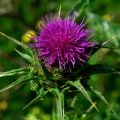
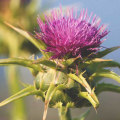
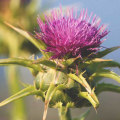
Milk thistle, scientifically known as Silybum marianum, is a flowering plant that has captured the attention of herbalists and health enthusiasts for centuries. Its striking purple flowers and distinctive spiky leaves have made it a notable presence in gardens and natural landscapes. However, beyond its aesthetic appeal lies a rich history steeped in traditional medicine, where it has been revered for its potential health benefits, particularly concerning liver health.The use of milk thistle dates back to ancient times, with records indicating that it was utilized by the Greeks and Romans for various ailments. Renowned physician Dioscorides documented its medicinal properties in the first century AD, highlighting its effectiveness in treating liver disorders and promoting overall wellness.
This historical significance is not merely anecdotal; modern research has begun to validate many of these traditional uses, particularly the plant's active compound, silymarin , which is believed to be responsible for its detoxifying effects.In traditional herbal practices, milk thistle has been employed to address a range of health issues, from digestive problems to skin conditions. Its reputation as a liver protector has made it a staple in herbal medicine cabinets, often recommended for individuals seeking to cleanse their bodies of toxins or recover from liver-related ailments. The plant's ability to support liver function and promote detoxification aligns with contemporary health trends that emphasize natural remedies and holistic approaches to wellness.As we delve deeper into the benefits of milk thistle , it becomes evident that this ancient herb holds significant promise in modern health discussions. Understanding its historical context not only enriches our appreciation of this remarkable plant but also sets the stage for exploring its myriad benefits in today’s health-conscious society.
What is Milk Thistle?
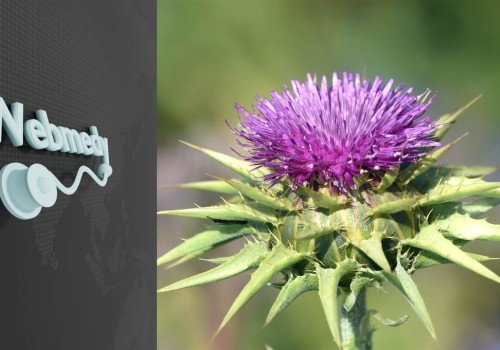
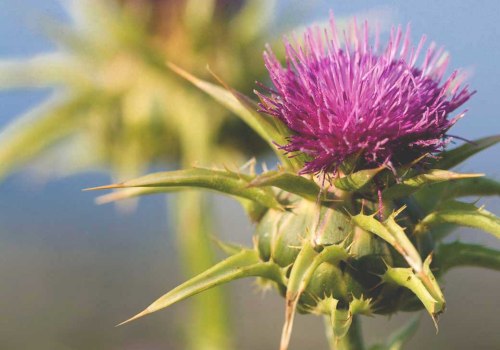
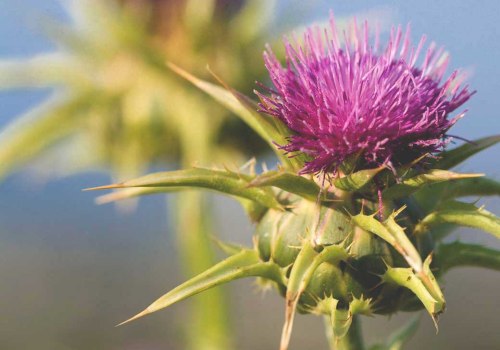
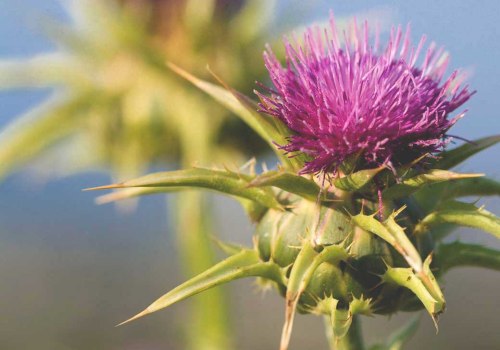
Milk thistle, scientifically known as Silybum marianum, is a flowering plant belonging to the Asteraceae family, which also includes daisies and sunflowers.This perennial herb is native to Mediterranean regions but has since spread to various parts of the world, including North America and Australia. The plant thrives in sunny environments and is often found in fields, roadsides, and disturbed areas, where it can grow up to 10 feet tall.The milk thistle plant is characterized by its distinctive purple flowers and large, spiny leaves that are green with white veins. The leaves are broad and can reach lengths of up to 12 inches, making them quite prominent. The flowers bloom in clusters and are typically bright purple, attracting various pollinators such as bees and butterflies.
One of the most notable features of milk thistle is its milky sap, which is released when the leaves or stems are broken, hence the name "milk" thistle.At the heart of milk thistle's health benefits lies its active compound known as silymarin. Silymarin is a complex of flavonoids extracted from the seeds of the milk thistle plant. It is primarily composed of three main components: silibinin, silidianin, and silicristin. These compounds are renowned for their potent antioxidant properties, which help combat oxidative stress in the body.
Silymarin has been extensively studied for its potential protective effects on the liver, making it a popular choice for those seeking natural detoxification methods.In addition to silymarin, milk thistle contains other beneficial compounds such as flavonoids and polyphenols that contribute to its overall health-promoting properties. These compounds work synergistically to enhance liver function, support cellular regeneration, and provide anti-inflammatory effects. As a result, milk thistle has gained recognition not only for its liver health benefits but also for its potential role in promoting overall wellness.In summary, milk thistle is a remarkable plant with unique characteristics and significant health benefits primarily attributed to its active compounds like silymarin. Its striking appearance and rich history as a herbal remedy make it a fascinating subject for both botanical enthusiasts and health-conscious individuals alike.
The Active Ingredient: Silymarin
Silymarin is the primary active compound found in milk thistle, derived from the seeds of the plant.This complex mixture of flavonolignans, primarily composed of silybin, silydianin, and silychristin, is renowned for its potent antioxidant and anti-inflammatory properties. Understanding the chemical structure and functionality of silymarin is crucial to appreciating its health benefits.
Chemical Structure and Properties
Silymarin's unique chemical structure allows it to interact effectively with various biological systems. The flavonolignan components exhibit a high degree of solubility in lipids, which facilitates their absorption in the gastrointestinal tract. This characteristic enhances their bioavailability, allowing silymarin to exert its effects more efficiently within the body.One of the most significant properties of silymarin is its ability to scavenge free radicals.
Free radicals are unstable molecules that can cause oxidative stress, leading to cellular damage and contributing to various diseases. By neutralizing these harmful compounds, silymarin helps protect cells from damage, particularly in the liver, where detoxification processes occur.
Mechanism of Action
Silymarin functions through several mechanisms that contribute to its health benefits:
- Antioxidant Activity: Silymarin enhances the body’s antioxidant defenses by increasing levels of glutathione, a powerful antioxidant that plays a critical role in detoxification.
- Anti-inflammatory Effects: By inhibiting pro-inflammatory cytokines and enzymes, silymarin reduces inflammation in the liver and other tissues, promoting overall health.
- Liver Cell Regeneration: Silymarin stimulates protein synthesis and promotes the regeneration of liver cells, which is particularly beneficial for individuals with liver damage or disease.
- Inhibition of Toxin Binding: Silymarin can prevent toxins from binding to liver cells, thereby reducing their harmful effects and supporting liver function.
Health Benefits Attributed to Silymarin
The health benefits associated with silymarin are extensive. Research suggests that it may help in managing conditions such as fatty liver disease, hepatitis, and cirrhosis. Additionally, its protective effects extend beyond the liver; studies indicate potential benefits for skin health, cardiovascular function, and even cognitive performance due to its neuroprotective properties.In conclusion, silymarin is a remarkable compound with multifaceted benefits that contribute significantly to the overall health-promoting properties of milk thistle.
Its ability to combat oxidative stress and inflammation while supporting liver function makes it a valuable addition to any wellness regimen.
Detoxification Effects of Milk Thistle
Milk thistle, scientifically known as Silybum marianum, has garnered significant attention for its remarkable detoxification properties, particularly concerning liver health. The liver is a vital organ responsible for filtering toxins from the bloodstream, metabolizing drugs, and producing essential proteins. Given the increasing exposure to environmental toxins and the prevalence of unhealthy lifestyles, supporting liver function has become more crucial than ever.One of the primary active compounds in milk thistle is silymarin , a flavonoid complex that exhibits potent antioxidant and anti-inflammatory effects. Research indicates that silymarin can protect liver cells from damage caused by various toxins, including alcohol, heavy metals, and certain medications.By neutralizing free radicals, silymarin helps to reduce oxidative stress, which is a significant contributor to liver damage.Several scientific studies have explored the detoxifying effects of milk thistle:
- A study published in the journal Phytotherapy Research found that patients with chronic liver disease who supplemented with milk thistle experienced improved liver function markers compared to those who did not. This suggests that milk thistle may enhance the liver's ability to detoxify harmful substances.
- Another clinical trial involving individuals with alcoholic liver disease demonstrated that silymarin supplementation led to a significant reduction in liver inflammation and fibrosis, indicating its protective role against alcohol-induced liver damage.
- A meta-analysis of multiple studies concluded that milk thistle could be beneficial for individuals with non-alcoholic fatty liver disease (NAFLD), as it may help reduce liver fat content and improve overall liver health.
As with any supplement, consulting a healthcare professional before starting milk thistle is advisable, especially for individuals with pre-existing health conditions or those taking medications that may interact with this herbal remedy.In summary, milk thistle stands out as a powerful ally in promoting liver health and enhancing the body's detoxification capabilities. Its active ingredient, silymarin, offers protective benefits against various toxins while supporting overall well-being.
Health Benefits of Milk Thistle
Milk thistle, scientifically known as Silybum marianum, is renowned for its numerous health benefits, particularly its role in promoting liver health. However, its advantages extend far beyond detoxification. This section delves into the various health benefits associated with milk thistle, highlighting its potential effects on skin health, cholesterol levels, and digestive wellness.Milk Thistle for Liver Health
The most celebrated benefit of milk thistle is its ability to support liver function.The active compound silymarin found in milk thistle has been shown to protect liver cells from damage caused by toxins, alcohol, and certain medications. Research indicates that silymarin may help regenerate liver tissue and improve overall liver function, making it a popular supplement for individuals with liver conditions such as fatty liver disease or hepatitis.
Skin Health Benefits
In addition to its liver-protective properties, milk thistle may also contribute to healthier skin. The antioxidant effects of silymarin can help combat oxidative stress, which is a significant factor in skin aging and damage. Some studies suggest that milk thistle may aid in reducing inflammation and redness associated with skin conditions like acne and eczema.Furthermore, its potential to protect against UV radiation damage makes it a valuable addition to skincare regimens.
Cholesterol Management
Another noteworthy benefit of milk thistle is its potential impact on cholesterol levels. Some research indicates that silymarin may help lower levels of LDL cholesterol , often referred to as "bad" cholesterol, while simultaneously increasing HDL cholesterol , or "good" cholesterol. This balance can contribute to a reduced risk of heart disease and improve overall cardiovascular health.Digestive Health Support
Milk thistle may also play a role in promoting digestive health. By supporting liver function, it aids in the production of bile, which is essential for fat digestion and nutrient absorption.Additionally, some studies suggest that milk thistle can help alleviate symptoms of indigestion and bloating, making it a beneficial supplement for those experiencing gastrointestinal discomfort.In summary, the health benefits of milk thistle are extensive and multifaceted. From enhancing liver function to promoting skin health and managing cholesterol levels, this remarkable herb offers a natural approach to improving overall well-being. As always, it is advisable to consult with a healthcare professional before starting any new supplement regimen.
Milk Thistle and Liver Health: A Closer Look
Milk thistle, scientifically known as Silybum marianum, has garnered significant attention for its potential role in supporting liver health. The active compound in milk thistle, silymarin , is a complex of flavonoids that has been extensively studied for its protective effects on the liver.This section delves into the relationship between milk thistle and liver health, exploring its benefits, research findings, and implications for those suffering from liver diseases.One of the primary milk thistle benefits is its ability to protect the liver from various toxins. Research indicates that silymarin can help regenerate liver cells and reduce inflammation, making it a valuable ally in the treatment of liver diseases such as hepatitis and cirrhosis. A study published in the journal Phytotherapy Research found that patients with chronic liver disease who took silymarin experienced significant improvements in liver function tests compared to those who did not.Moreover, milk thistle has shown promise in mitigating the effects of alcohol-induced liver damage. A clinical trial involving individuals with alcoholic liver disease demonstrated that those who supplemented with milk thistle had lower levels of liver enzymes, indicating reduced liver inflammation and damage.
This suggests that milk thistle may serve as a protective agent against the harmful effects of excessive alcohol consumption.In addition to its protective properties, milk thistle may also play a role in detoxification processes. The liver is responsible for filtering toxins from the bloodstream, and silymarin has been shown to enhance this function by promoting bile production and improving overall liver function. This detoxifying effect can be particularly beneficial for individuals exposed to environmental toxins or those taking medications that may stress the liver.While many studies support the use of milk thistle for liver health, it is essential to approach its use with caution. Some research suggests that milk thistle may interact with certain medications, potentially affecting their efficacy.
Therefore, individuals considering milk thistle as a supplement should consult with a healthcare professional to ensure it aligns with their treatment plan.In conclusion, the evidence supporting milk thistle's role in liver health is compelling. Its ability to protect against toxins, promote cell regeneration, and reduce inflammation makes it a valuable supplement for those seeking to support their liver health. However, further research is needed to fully understand its mechanisms and long-term effects on various liver conditions.
Potential Side Effects and Interactions
While the benefits of milk thistle are widely recognized, it is equally important to consider its potential side effects and interactions with medications. Understanding these aspects can help individuals make informed decisions about incorporating this herbal supplement into their health regimen.Potential Side Effects
- Gastrointestinal Issues: Some users may experience digestive discomfort, including nausea, diarrhea, or bloating.
These symptoms are generally mild but can be bothersome for some individuals.
- Allergic Reactions: Although rare, allergic reactions to milk thistle can occur. Symptoms may include rash, itching, or swelling. In severe cases, anaphylaxis could develop, which is a life-threatening condition requiring immediate medical attention.
- Hormonal Effects: Milk thistle may have estrogen-like effects, which could potentially interfere with hormone-sensitive conditions such as breast cancer. Individuals with such conditions should consult a healthcare professional before use.
- Headaches: Some users report experiencing headaches after taking milk thistle supplements.
This side effect may vary in intensity and frequency among individuals.
Interactions with Medications
Milk thistle can interact with various medications, which is crucial for individuals currently undergoing treatment for specific health conditions. Here are some notable interactions:
- Anticoagulants: Milk thistle may affect blood clotting and could enhance the effects of anticoagulant medications like warfarin. This interaction could increase the risk of bleeding.
- Certain Antidepressants: Some studies suggest that milk thistle might interfere with the metabolism of certain antidepressants, potentially altering their effectiveness.
- Chemotherapy Drugs: There is ongoing research regarding milk thistle's role in cancer treatment. While some studies indicate it may protect the liver during chemotherapy, it could also reduce the effectiveness of certain anticancer drugs.
- Diabetes Medications: Milk thistle has been shown to lower blood sugar levels.
For individuals taking diabetes medications, this could lead to hypoglycemia if not monitored closely.
Safety of Milk Thistle Supplements
The safety profile of milk thistle supplements is generally favorable when taken as directed. However, due to the lack of regulation by the U. S. Food and Drug Administration (FDA), it is essential to choose high-quality products from reputable manufacturers.
Consulting a healthcare provider before starting any new supplement is advisable, especially for those with pre-existing health conditions or those taking other medications.In summary, while milk thistle offers numerous health benefits, awareness of its potential side effects and interactions is vital for safe usage. Always prioritize safety by consulting healthcare professionals and monitoring your body's response when introducing new supplements into your routine.
How to Incorporate Milk Thistle into Your Routine
Incorporating milk thistle into your daily routine can be a straightforward process, thanks to the variety of forms available and the flexibility in dosages. Understanding how to take milk thistle effectively is essential for maximizing its potential health benefits.Forms of Milk Thistle Supplements
Milk thistle is available in several forms, each offering unique advantages:- Capsules and Tablets: These are the most common forms and are convenient for daily use. They typically contain standardized extracts of silymarin, ensuring consistent dosages.
- Liquid Extracts: This form allows for quick absorption and can be mixed with water or juice.
Liquid extracts may be preferable for those who have difficulty swallowing pills.
- Teas: Milk thistle tea is made from the seeds of the plant and can be a soothing way to consume it. However, the concentration of active ingredients may vary compared to capsules or extracts.
- Tinctures: These are concentrated liquid extracts that can be taken directly or added to beverages. They offer a potent dose of silymarin.
Dosage Recommendations for Milk Thistle
The appropriate dosage of milk thistle can depend on various factors, including the form used and individual health needs. Here are some general guidelines:- Capsules/Tablets: A typical dosage ranges from 140 mg to 600 mg of silymarin per day, divided into two or three doses.
Always follow the manufacturer's instructions or consult a healthcare professional for personalized advice.
- Liquid Extracts: For tinctures, a common recommendation is 1-2 mL taken two to three times daily. Again, it's crucial to adhere to specific product guidelines.
- Teas: If opting for tea, brewing one cup with 1-2 teaspoons of crushed seeds is common. Drinking 1-3 cups daily can provide beneficial effects.
FAQs About Milk Thistle Benefits
As interest in milk thistle benefits continues to grow, many people have questions about its efficacy and safety.Below are some frequently asked questions that address common misconceptions and provide clarity on this herbal remedy.
What is milk thistle used for?
Milk thistle is primarily known for its potential liver-protective properties. It is often used as a natural supplement to support liver health, particularly in individuals with liver damage or conditions such as hepatitis and cirrhosis. Additionally, it may help detoxify the body by promoting the elimination of toxins.Are there any side effects associated with milk thistle?
While milk thistle is generally considered safe for most people, some may experience mild side effects such as gastrointestinal upset, diarrhea, or allergic reactions. In rare cases, it can cause more severe reactions, including anaphylaxis.It is crucial to consult a healthcare professional before starting any new supplement, especially if you have allergies or are taking other medications.
Can milk thistle help with weight loss?
There is limited scientific evidence to support the claim that milk thistle directly aids in weight loss. However, its detoxifying effects may contribute to overall health and wellness, which can indirectly support weight management efforts when combined with a balanced diet and regular exercise.Is milk thistle effective for everyone?
The effectiveness of milk thistle can vary from person to person. Factors such as individual health conditions, lifestyle choices, and the specific formulation of the supplement can influence its benefits. While some individuals report positive outcomes, others may not experience significant changes.Can I take milk thistle with other medications?
Milk thistle may interact with certain medications, including anticoagulants and some cancer treatments.It is essential to discuss any potential interactions with your healthcare provider to ensure safe use alongside other treatments.
What are common misconceptions about milk thistle?
- Myth: Milk thistle is a cure-all for liver diseases.
- Fact: While it may support liver health, it should not replace conventional medical treatments.
- Myth: All milk thistle supplements are the same.
- Fact: The quality and concentration of silymarin can vary significantly between products.
Conclusion: The Promise of Milk Thistle for Health and Wellness
In summary, the exploration of milk thistle benefits reveals a wealth of potential health advantages that have garnered significant attention in both traditional and modern medicine. This remarkable herb, primarily known for its active compound silymarin, has been linked to various health-promoting properties, particularly in relation to liver health. As we have discussed, milk thistle may offer protective effects against toxins, support liver regeneration, and enhance overall detoxification processes within the body.Moreover, the antioxidant and anti-inflammatory properties of silymarin extend beyond liver health.Research suggests that milk thistle may also contribute to improved skin health, support digestive function, and even bolster the immune system. These multifaceted benefits make it a compelling option for those seeking natural remedies to enhance their well-being.However, it is crucial to approach the use of milk thistle with caution. While many studies highlight its potential benefits, the lack of regulation by the U. Food and Drug Administration (FDA) means that not all products on the market are created equal.
Variability in quality and concentration can affect efficacy and safety.Furthermore, individuals considering milk thistle should be aware of possible interactions with medications and underlying health conditions. Consulting with a healthcare professional is essential before incorporating this supplement into your routine, especially for those with allergies or those taking other medications.In conclusion, while the promise of milk thistle as a natural remedy is exciting, it is imperative to prioritize safety and informed decision-making. By doing so, you can harness the potential benefits of this remarkable herb while minimizing risks to your health.